 Nederlands
 English
Building a healthier
and just
future for people who use drugs
Unfortunately, Mainline will
soon cease
to exist.
(See recent news)
Check our projects

Expertises
Outreach work
The core of Mainline's activities is outreach work. The outreach workers pick up signals on the street, in social shelters, near sex work and swing venues, in drug consumption rooms, in penitentiaries, at people who use at home, and online on relevant forums and apps. Because picking up signals and trends, informing, and referring, is only possible by being in direct contact with people who use drugs.
Chemsex
Chemsex combines sex and drugs. Mainline conducts long-term research on chemsex, develops informative materials, offers support to people who practice chemsex, and supports organisations in developing and implementing harm reduction interventions around chemsex.
drug information
Over the past 35 years, Mainline has accumulated a wealth of knowledge about substances and marginal use. Substances about which reliable information is sometimes difficult to find online. Read about basecoke, nitazene and psychedelics, for example, and learn what to look out for to limit the damage caused by use.
Recent
news
TRAININGS
Unfortunately, it’s no longer possible to register for a training course. Booked courses will go ahead as planned.
Training: overdose prevention
- Practical basic training
- Tools to recognise and prevent overdose

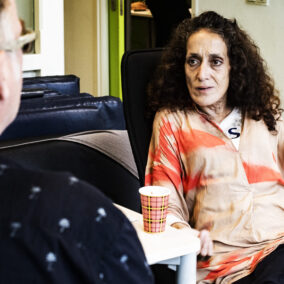
Training: making contact
- Practical basic training
- Understand someone who uses
- Various contact methods
Projects we are most
proud
of
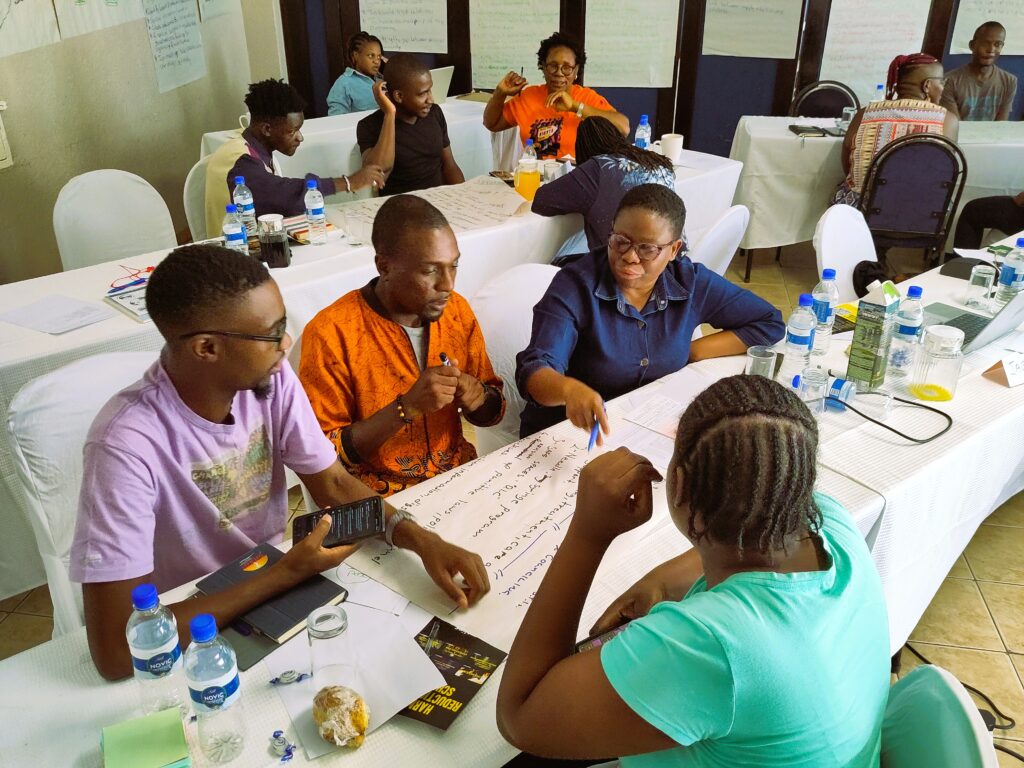
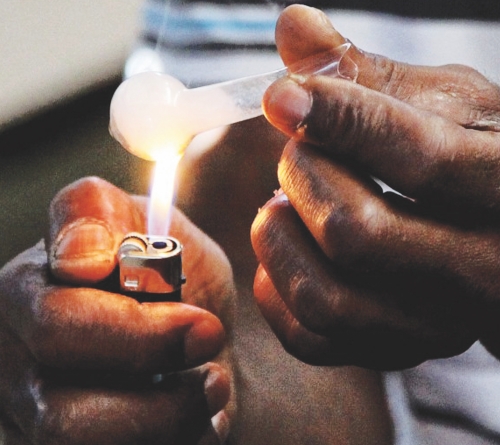
during outreach work in the Netherlands in 2022
takes GHB to feel more confident
with harm reduction programmes
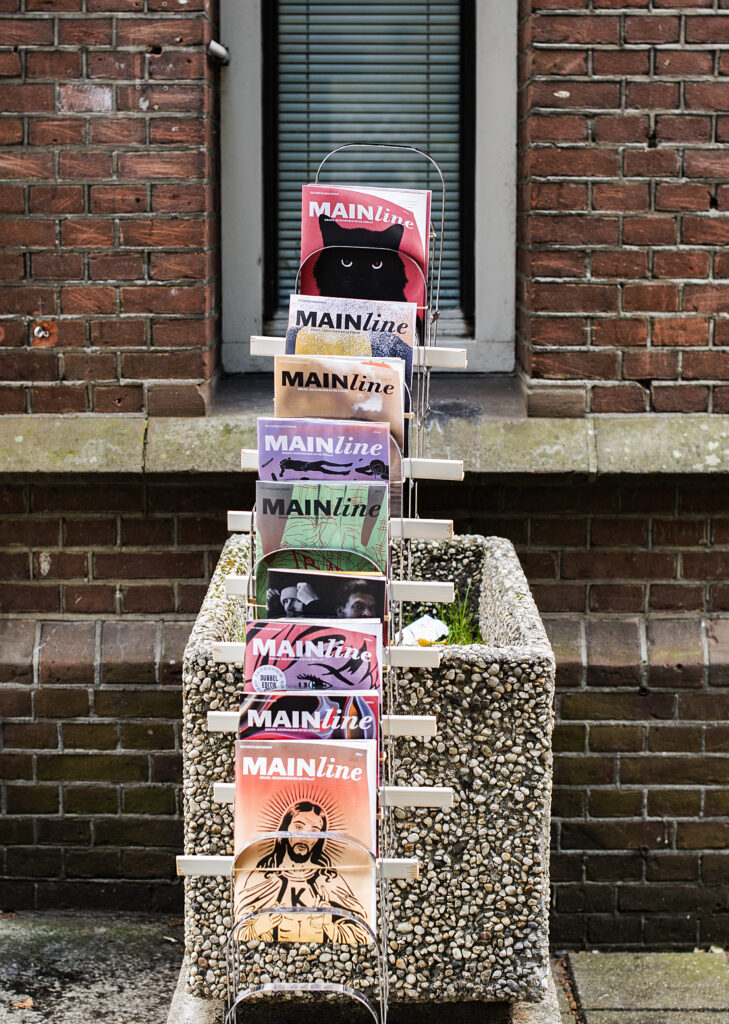
MAINLINE MAGAZINE
Published twice a year, this lifestyle magazine for people who use drugs provides up-to-date information on developments in the drug scene.